Scampton History
Of all the Bomber Command airfields, RAF Scampton is perhaps the best known and most important.
Historically, RAF Scampton is considered to be the most important RAF bomber base with worldwide fame and is one of the oldest
Opened in 1916
Reopened by the RAF in 1936 under the RAF Expansion Scheme
Utilised by 617 Squadron, ‘The Dambusters’ during WW2 which Guy Gibson commanded
Runway extended during 1950’s to a length of 9000 ft to accommodate the Avro Vulcan Bomber as part of Britain’s nuclear deterrent
Home of the Royal Air Force Aerobatic Team (RAFAT) – The Red Arrows
Significant additional on-site Roman Archeology – Lincoln (originally Lindum) is one of the UK’s oldest cities and was conquered by the Romans in around AD 50
- Quoted from a Historic England report from 2004
- Over 45 types of aircraft have operated from RAF Scampton since it was opened as a Royal Flying Corps airfield during WW1.
- Three Victoria Crosses were awarded to officers serving at RAF Scampton during its long and rich operational history
Opened in 1916
- Home Defence Station Brattleby Cliff was home to biplanes tasked with intercepting German Zeppelins during WW1
- Renamed as RAF Scampton in 1918 and then temporarily returned to agriculture by 1920
Reopened by the RAF in 1936 under the RAF Expansion Scheme
- Known as Royal Air Force Scampton
- Fully equipped Bomber Station
Utilised by 617 Squadron, ‘The Dambusters’ during WW2 which Guy Gibson commanded
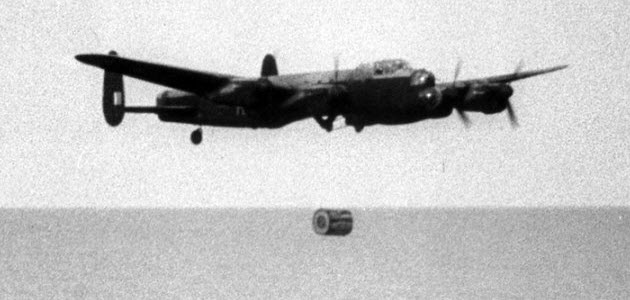
- Operation Chastise, a historic turning point in the war, was planned and executed from Scampton in May 1943
- The infamous Barnes Wallis Bouncing Bomb was used extensively on Avro Lancaster bombers operating from RAF Scampton
- Scampton lost 551 aircrew and 226 aircraft during WW2
Runway extended during 1950’s to a length of 9000 ft to accommodate the Avro Vulcan Bomber as part of Britain’s nuclear deterrent
- A15 (Ermine Street) diverted and large ‘Blue Steel’ nuclear missile storage facilities installed in 1955
- Vulcan squadrons operated form RAF Scampton from 1958 to 1982, including the Falklands conflict period in 1982 and the bombing of Port Stanley airfield
Home of the Royal Air Force Aerobatic Team (RAFAT) – The Red Arrows
- From 1983 to 2022 when the station closed, marking the end of 106 years of military aviation at RAF Scampton
Significant additional on-site Roman Archeology – Lincoln (originally Lindum) is one of the UK’s oldest cities and was conquered by the Romans in around AD 50
- Additional historical interest from a large Roman Villa, located at the Western end of the runway, which was discovered and excavated in 1795
- Scampton is located adjacent to the old Roman road – Ermine Street – now known as the A15 – which connected Lincoln to London and York.